Music, podcast, and movie fans value smartphone audio quality more than ever. Many individuals use their phones as major music players, but frequently disregard sound quality factors. Components, codecs, and playback settings affect audio quality. A good phone's audio may provide clear voices, strong bass, and balanced sound across genres. Uninformed users may get poor output, distortion, or loss of information. This tutorial explains how smartphone audio quality is affected and how to improve it without expensive upgrades or complicated settings.
What Affects Smartphone Audio Quality the Most?
DAC, Audio Chips, and Hardware Components Explained
The DAC determines the quality of audio on smartphones. It converts digital audio files into headphone and speaker signals. High-quality DACs provide sharper, more accurate sound. Audio chips govern processing, which affects clarity and noise. Some smartphones use separate audio hardware, while others employ integrated solutions. High impedance headphones benefit from an amplifier's output power. The hardware design has an impact on the audio formats supported by phones. Poor parts may distort or diminish sound. Audiophiles should check hardware specifications and reviews. Understand these components before purchasing a smartphone with improved sound and a better listening experience for music, movies, and other audio content.
Bluetooth Codecs, Wired Audio, and Signal Quality
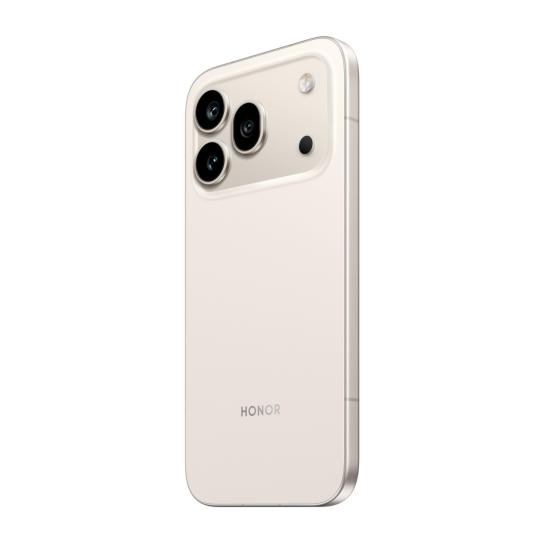
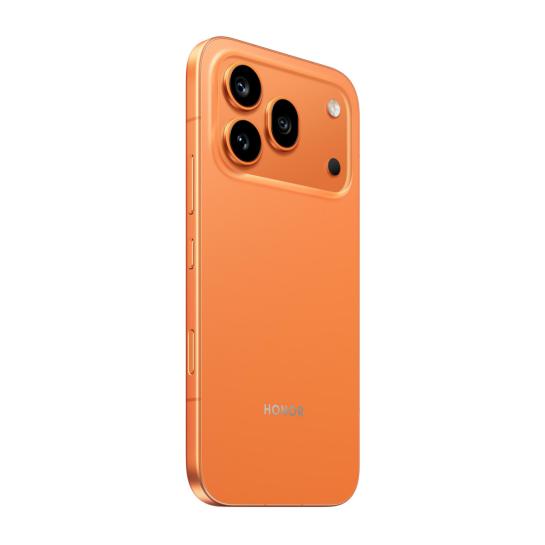
Bluetooth audio quality depends heavily on codecs, which control how sound data is compressed and transmitted, especially on devices like the HONOR 600 Pro. Common codecs include SBC, AAC, aptX, and LDAC. Higher-quality codecs, such as LDAC and aptX HD, provide more detail with less compression. However, both the smartphone and the headphones must use the same codec. Because they do not compress audio, wired connections are often more reliable and of greater quality. Signal strength and interference are other factors influencing wireless performance. Poor connections might result in dropouts or poor clarity. Users looking for the greatest sound should explore both connection modes. Bluetooth is convenient, but connected audio frequently provides better quality. Choosing the correct codec and verifying compatibility helps to keep audio clean and consistent. Understanding these distinctions enables users to choose the optimal arrangement depending on their listening preferences and everyday use.
Speaker Quality, Stereo Sound, and Output Performance
Smartphone speakers vary in quality, affecting music and media without headphones. High-quality speakers provide clearer voices, more balanced tones, and greater volumes. Many contemporary phones include dual speakers for better sound and immersion. Speaker position matters since front-facing speakers provide more direct sound. Hardware design and tuning determine output performance. Poorly tuned speakers sound harsh or shallow. Space restricts bass response, but good engineering may improve balance. Speaker evaluations should be considered while buying a phone. Speakers, however, are of lower quality than headphones and are helpful in daily circumstances. Well-designed speaker systems enhance movies, games, and casual listening, making smartphones more versatile and enjoyable.
How Can You Improve Your Smartphone Audio Experience?
Choose the Right Headphones or Earbuds
Headphones and earbuds often exceed smartphones in audio quality. Quality headphones may reveal details that inferior ones cannot. Users should set characteristics that suit their listening style and comfort. In-ear headphones are portable, while over-ear ones isolate sound and provide deeper bass. Noise cancellation aids hearing in noisy environments. Impedance and sensitivity affect smartphone compatibility. Wireless earbuds need updated codecs to operate well. A bad fit may compromise sound quality and bass response. Consumers may find the best model by trying many. Buying good headphones makes music more immersive and enjoyable, allowing customers to enjoy music without being limited by low-quality audio equipment.
Optimise Audio Settings, EQ, and Streaming Quality
Users may adjust audio output to their liking. EQ adjustments may boost bass, enhance vocals, or balance frequencies. Many cellphones include genre-specific sound profiles. To get the best sound, try these choices. Low-bitrate audio loses detail; streaming quality matters. Users may pick higher-quality streaming in music apps. Better quality demands more data. Turning off unnecessary sound effects may improve clarity. Keep volume low to reduce distortion. By carefully tweaking settings, users may improve audio performance without hardware. Understanding how software affects sound lets users customise their listening experience and improve results across all audio formats, making everyday listening more enjoyable and consistent.
Use External DACs, Apps, and High-Resolution Audio Files
External DACs may overcome hardware limitations to improve smartphone audio. These USB-connected gadgets boost signal processing and amplification. Music fans pair them with high-quality headphones for clarity. Specific audio apps handle advanced formats and provide precise settings to enhance playback. Greater data in high-resolution audio files means greater detail and richer sound. They need extra storage and matching gear. Before spending, users should check whether their system supports these formats. External DACs, high-quality files, and customised apps improve listening. This strategy lets customers utilise their smartphones' audio capabilities and enjoy music with more depth, precision, and quality across genres and listening settings.
Conclusion
Smartphone audio quality depends on hardware, connection type, and user settings. Consumers may choose devices better by understanding DACs, codecs, and speaker design. Audio may be improved without spending money. Upgrading headphones, changing settings, and using high-quality files may make a difference. Users who consider hardware and software may enjoy listening more. Smartphone audio can be improved by anybody with the right tools and knowledge. A thorough approach ensures clear sound, excellent clarity, and consistent quality, allowing users to enjoy music, videos, and other audio content every day on their devices.

Leave a Comment